An In-Depth Guide for Hospitality Procurement Managers
When selecting tableware for hotels—whether for guest rooms, restaurants, cafés, banquets, or room service—the choice between bone china, porcelain, and ceramic can feel overwhelming. Each material offers distinct advantages in terms of appearance, durability, cost, and service suitability, and choosing the wrong type may result in breakage, poor presentation, higher replacement costs, or a mismatched brand image.
This guide breaks down everything hotels need to know:
- What are bone china, porcelain, and ceramic?
- Their differences in performance and cost
- How guests perceive each type
- Which material suits which kind of hotel
- Recommendations for restaurants, banquet halls, cafes, and luxury hotels
Let’s dive in.
1. What Is Bone China?
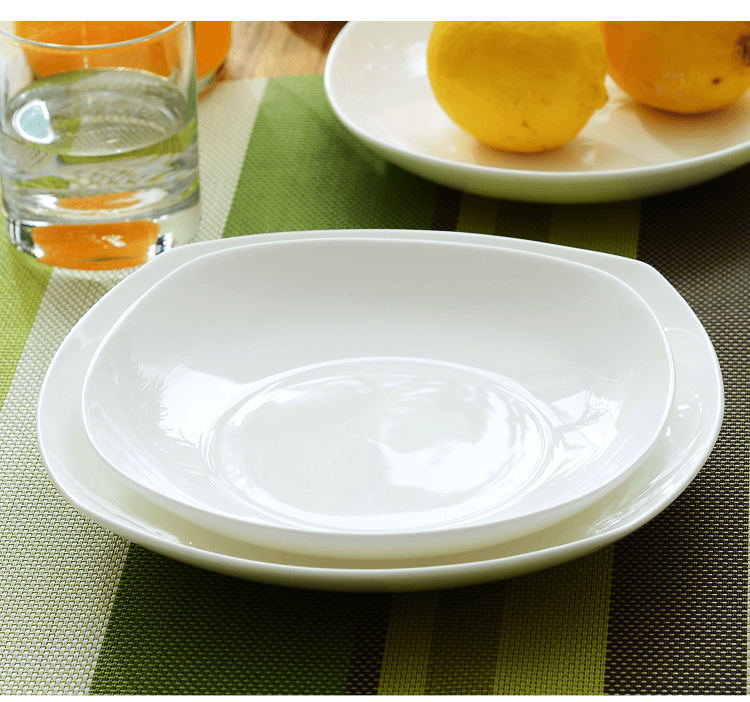
The main distinctive feature of bone china is that it is a premium ceramic made by adding 40–45% bone ash to fine clay and feldspar. This formula creates a material that is:
- Remarkably white and translucent
- Lightweight but surprisingly strong
- Smooth, elegant, and warm in tone
- Highly resistant to chipping
Key Characteristics of Bone China
- High whiteness & translucency: Light can pass through the body, creating a luxurious glow that guests immediately notice.
- Lightweight but strong: It is the strongest type of ceramic tableware due to the bone ash content.
- Premium feel: Associated with luxury dining, 5-star hotels, European afternoon tea, and fine restaurants.
- Ideal for decal printing: Perfect for custom patterns, logo placement, and high-end brand designs.
- Slightly higher cost than porcelain or ceramic.
Common Uses in high-end/5-star Hotels
- Afternoon tea service
- In-room amenities
- Fine dining restaurants
- VIP lounges
- Boutique hotel restaurants
- Specialty cafés
Bone china is chosen when a hotel wants to elevate brand image and enhance the guest dining experience.
2. What Is Porcelain?
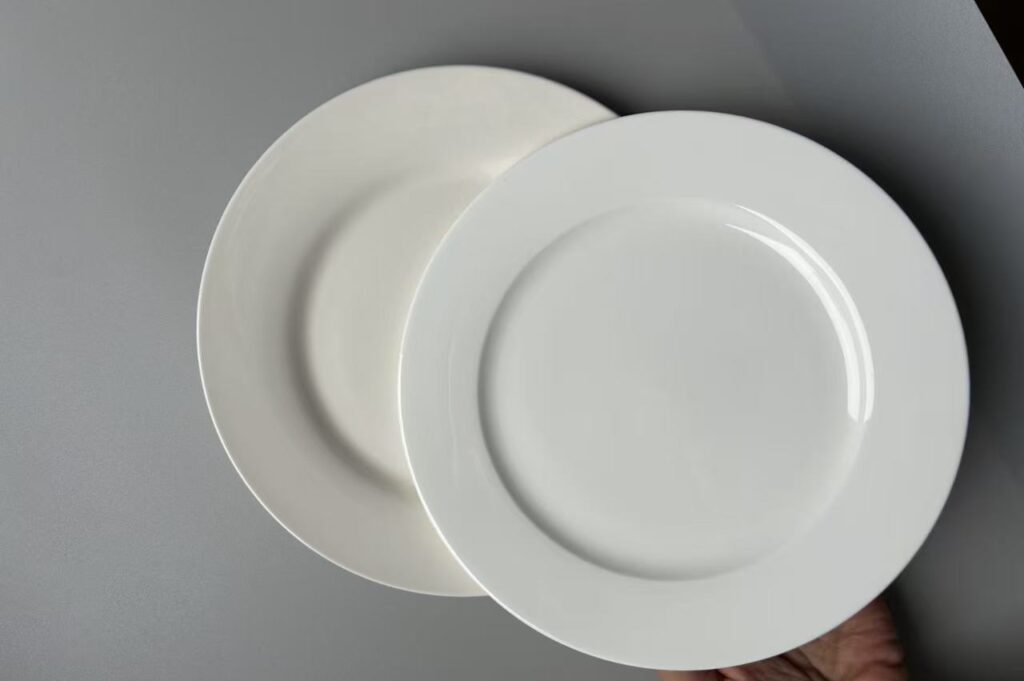
Porcelain is made from kaolin clay fired at very high temperatures (around 1300°C). It is a classic mid-to-high-end material widely used across hospitality.
Key Characteristics of Porcelain
- Clean, bright white appearance
- Durable & dense body
- More affordable than bone china
- Microwave & dishwasher safe
- Highly resistant to daily wear
- Smooth surface suitable for repeated commercial use
Common Uses in Hotels
- All-day dining restaurants
- Hotel buffets
- Banquet service
- Room service
- High-traffic cafés and restaurants
Porcelain is a strong, reliable choice for hotels, balancing cost, durability, and aesthetics.
3. What Is Ceramic (Stoneware / Earthenware)?
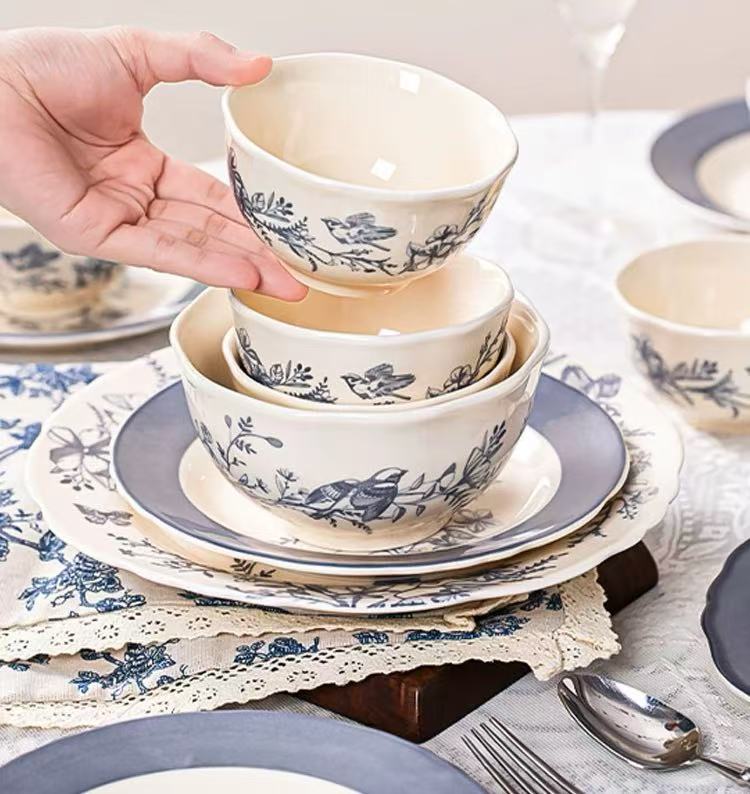
“Ceramic” is an umbrella term—but in hotel usage, it typically refers to stoneware or earthenware.
Ceramic tableware is made of common clay and fired at lower temperatures, producing a heavier, thicker body.
Key Characteristics of Ceramic
- Thicker and heavier than bone china and porcelain
- Lower cost
- Richer, more rustic appearance
- Can have “artisan” or handmade style
- Less resistant to chipping
- Shorter lifespan in commercial settings
Common Uses in Hotels
- Café-style restaurants
- Breakfast service
- Casual dining
- Rustic or natural-themed outlets
- Artisan-style restaurants
Ceramic is rarely chosen for luxury hotels, but it fits casual dining environments well.
4. Bone China vs Porcelain vs Ceramic: Key Differences
Appearance difference among Bone China vs Porcelain vs Ceramic
| Material | Appearance | Whiteness | Style |
| Bone China | Translucent, elegant | ★★★★★ | Luxury/Modern |
| Porcelain | Bright white, smooth | ★★★★☆ | Practical/classic |
| Ceramic | Thick, rustic, matte | ★★★☆☆ | Casual/Natural |
Durability
| Material | Chip Resistance | Strength | Heat Resistance |
| Bone China | ★★★★☆ | ★★★★★ | High |
| Porcelain | ★★★★☆ | ★★★★☆ | Very High |
| Ceramic | ★★☆☆☆ | ★★★☆☆ | Medium |
Weight and cost, and Customization look
| Material | Guest Impression | Weight | Cost Range | Customization |
| Bone China | “Elegant” “High-end” “Luxury hotel experience” Softer touch, warmer tone Elevated dining feeling | Lightest | $$$ | Best results, vivid colors |
| Porcelain | Clean, crisp, professional Standard for modern hotels Feels solid and reliable | Medium | $$ | Reliable printing |
| Ceramic | Rustic, café-style Handmade aesthetic Casual dining atmosphere | Heaviest | $ | Not ideal for fine detail |
6. Which Material Is Best for Hotels?
Best Choice for Luxury Hotels (4–5 Star, Boutique Properties, High-End Resorts): Bone China
Bone china remains the preferred option for hotels that place guest experience and visual impact at the center of their brand. Its distinctive translucency, soft sheen, and refined touch create an immediate sense of elegance that other materials simply cannot match.
Why luxury hotels lean toward bone china:
- Strengthens brand presence the moment guests sit down — its premium look elevates everything from breakfast service to fine dining.
- Works exceptionally well for custom logos and patterns, giving hotels a consistent and upscale identity across outlets.
- Ideal for afternoon tea, fine-dining venues, and VIP areas, where presentation quality directly influences guest perception.
- Lightweight yet surprisingly strong, offering a delicate feel without sacrificing practical durability.
- Creates a premium dining atmosphere, helping hotels reinforce their positioning and enhance the overall guest impression.
For properties where design, storytelling, and refined details matter, bone china naturally becomes the material of choice.
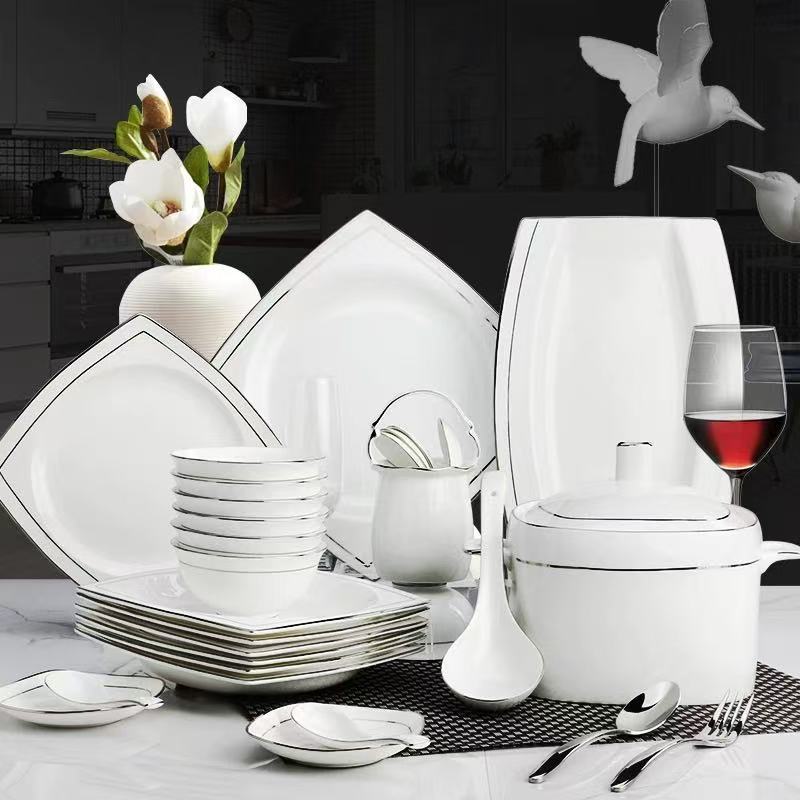
Best for High-Traffic Restaurants (Business Hotels / 3-Star Properties): Porcelain
Porcelain is the go-to choice for hotels that need tableware capable of handling heavy daily use without compromising appearance. It offers a reliable balance of durability and affordability, making it well-suited for venues where turnover is high and efficiency matters.
Why do many hotels prefer porcelain for busy outlets?
- Delivers strong durability at a practical cost, making it easy to replace or expand sets when needed.
- Handles frequent commercial dishwashing while maintaining its surface gloss and structure.
- Performs well in high-volume service environments, especially during breakfast rushes and dinner shifts.
- Carries a clean, contemporary look that fits effortlessly into most restaurant themes.
Ideal for:
- All-day dining restaurants
- Banquet service
- Room service operations
- Staff canteens and back-of-house dining areas
For hotels focused on efficiency, consistency, and cost control, porcelain provides a dependable and versatile solution.
Best for Casual Dining & Cafés: Ceramic
Ceramic works well for venues that want a relaxed, creative, or home-style atmosphere rather than a formal dining experience. Its charm lies in its texture, warmth, and the wide variety of shapes and glazes available, making it easy to match interior themes or brand aesthetics.
Why do many casual outlets choose ceramic?
- Budget-friendly, suitable for small restaurants or boutique cafés.
- Naturally artistic and rustic, giving tables a handcrafted, cozy feel.
- Flexible in appearance, with endless glaze options that complement Nordic, farmhouse, and modern café interiors.
Ideal for:
- Coffee shops and dessert cafés
- Brunch and breakfast restaurants
- Theme restaurants with rustic or minimalist design
Not recommended for:
- Luxury hotels or fine-dining outlets
- Large hotel chains require long-term consistency
- Heavy commercial usage, as ceramic tends to chip or wear sooner than porcelain or bone china
Ceramic is best when atmosphere and creativity matter more than long-term durability.
7. Recommendations Based on Hotel Type
Choosing the right tableware isn’t simply a matter of comparing materials—it’s about matching what your hotel needs in daily operations, branding, and guest experience. Below is a practical guide to help different hotel categories identify which material fits best.
1. Luxury Hotels, Resorts & Boutique Properties
These hotels place strong emphasis on presentation, guest perception, and brand storytelling. For this segment, bone china usually aligns best with their goals.
Why it fits:
- Enhances the overall dining atmosphere with a refined, luminous appearance
- Works exceptionally well for custom logo or emblem printing
- Lightweight and elegant—ideal for afternoon tea, fine dining, or VIP service
- Complements premium interiors and gives guests a sense of exclusivity
Typical outlets:
Fine dining restaurants · Lobby lounges · Afternoon tea service · VIP floors · In-room dining for premium suites
2. Business Hotels & High-Traffic Restaurants
Mid-range hotels focus on efficiency, durability, and the ability to handle large numbers of guests daily. Porcelain generally provides the most balanced performance.
Why it fits:
- Strong durability for constant commercial washing and stacking
- Reasonably priced even for large operations
- Neutral, modern appearance that suits most hotel décor
- Performs well for breakfast buffets, banquets, and room service
Typical outlets:
All-day dining · Banquet halls · Staff canteens · Standard room service
3. Casual Dining Outlets, Cafés & Themed Venues
Hotels with relaxed cafés or specialty restaurants often want atmosphere and style over strict durability. Ceramic works best in these environments.
Why it fits:
- More artistic and handcrafted-looking, ideal for themed outlets
- Wide variety of glazes and shapes to match interior design
- Perfect for boutique cafés, bakeries, or coffee lounges inside hotels
Typical outlets:
Coffee shops · Brunch cafés · Dessert bars · Farmhouse-style or Nordic-style restaurants.
4. Properties With Multiple Dining Concepts
Many hotels operate several outlets under one roof. In these cases, mixing materials is often more practical than choosing one type for the entire property.
Common pairing strategy:
- Bone china → premium restaurants and high-profile services
- Porcelain → large-volume venues (breakfast, banquets, all-day dining)
- Ceramic → specialty cafés or themed casual outlets
This approach helps hotels balance cost, durability, guest expectation, and brand identity across different dining experiences.
8. Final Verdict: Which Is Best Overall for Hotels?
There is no single “best” material for every hotel. The ideal choice depends on your brand positioning, budget, usage volume, and guest experience goals.
Here is a practical way to think about it:
- Bone China → Ideal for hotels that value refined presentation, luxury branding, and premium guest experience
- Porcelain → A versatile option for most daily hotel operations, balancing durability, appearance, and cost
- Ceramic → Suitable for casual dining concepts, theme restaurants, and high-volume outlets where cost and style flexibility matter
Many hotels benefit from combining different materials across outlets rather than relying on a single solution. For example:
- Bone china for signature restaurants or afternoon tea
- Porcelain for all-day dining and room service
- Ceramic for buffets, cafés, or themed venues
By choosing materials based on each outlet’s unique needs, hotels can optimize both guest satisfaction and long-term cost efficiency.