Introduction: The “Thin = Better” Myth
When people first encounter bone china, one of the most common impressions is its thinness. Compared to porcelain or ceramic, bone china feels lighter, more delicate, and often more refined. Because of this, many buyers—especially those sourcing for hotels, brands, or retail—naturally assume:
“The thinner the bone china, the higher the quality.”
While this belief is not entirely wrong, it is far from the full picture.
In reality, bone china thickness is only one aspect of its quality. Focusing too much on how thin a piece is can lead to poor purchasing decisions—especially in commercial settings where durability, consistency, and safety matter just as much as appearance.
A truly high-quality bone china product is not defined by extreme thinness, but by balance: between elegance and strength, aesthetics and practicality, craftsmanship and consistency.
In this article, we’ll break down what thinness really means in bone china, when it matters, and—more importantly—what buyers should actually pay attention to.
Why Bone China Thickness Is Associated with High-Quality
High Bone Ash Content Enables Thin Yet Strong Structure
Bone china is unique because of its composition. Premium bone china typically contains 40–45% bone ash, which gives the material both strength and translucency.
This combination allows manufacturers to produce thinner pieces without making them fragile—at least when done correctly. In this sense, thinness can indeed reflect a higher level of material quality and production capability.
Translucency and Aesthetic Appeal
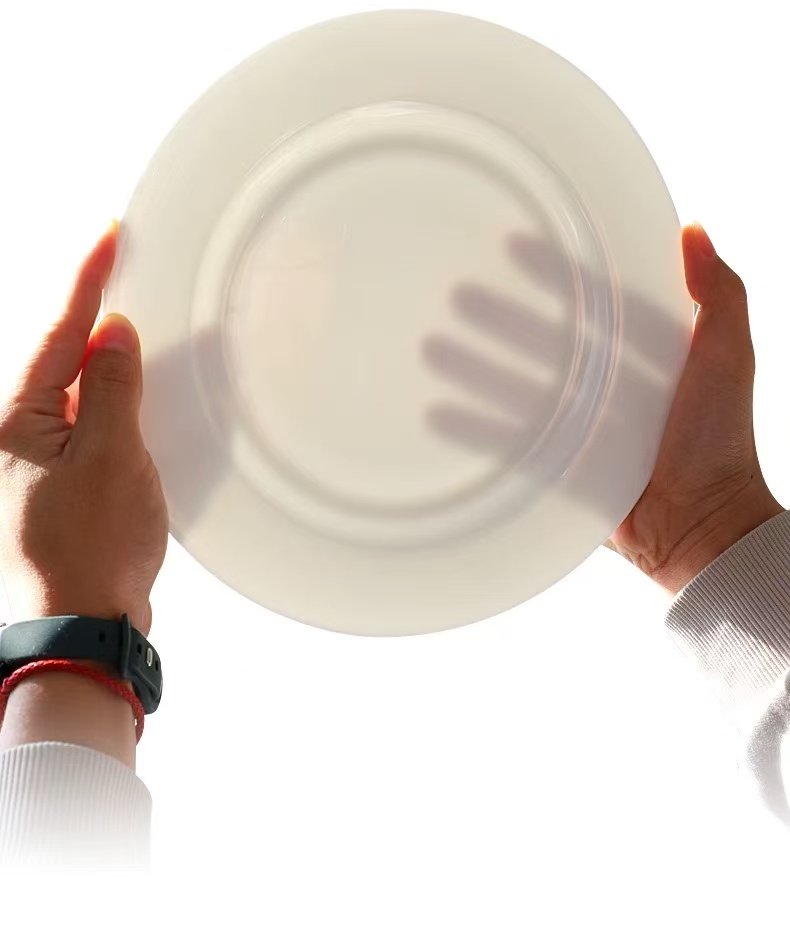
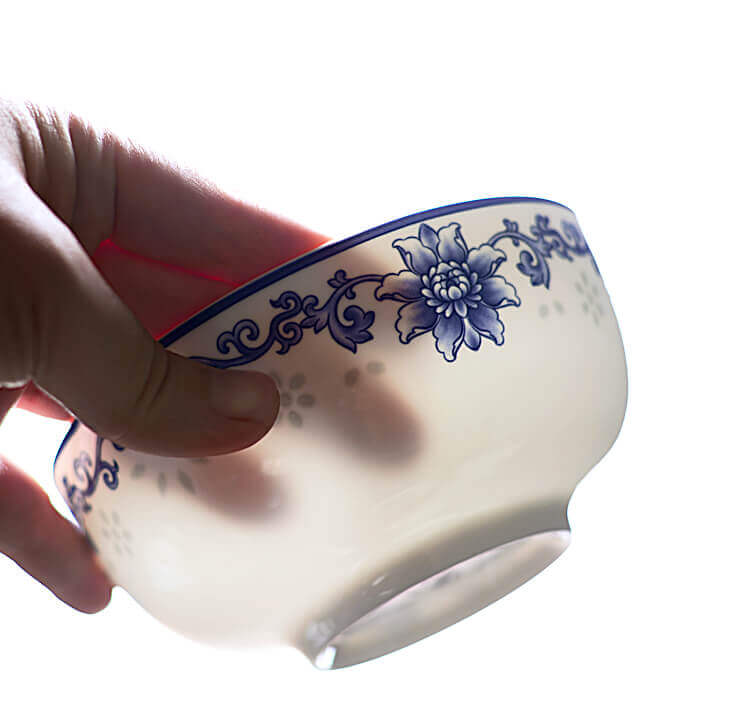
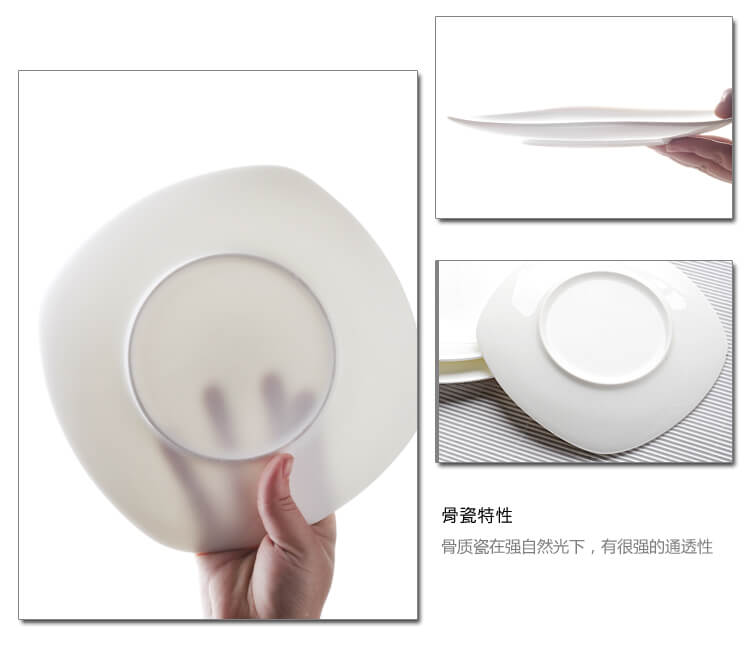
One of the most recognizable features of bone china is its soft translucency. When held up to light, high-quality bone china allows light to pass through, creating a warm, elegant glow.
This effect becomes more pronounced as the body becomes thinner. That’s why thin bone china is often associated with luxury dining, afternoon tea settings, and premium hospitality environments.

Lightweight and Refined Feel
Thin bone china also feels lighter in hand, which contributes to the overall user experience. For fine dining, this lightweight elegance enhances the perception of quality and sophistication.
However, while these advantages are real, they do not mean that thinner is always better.
Is Thinner Always Better? The Reality Explained
Short answer: No.
Bone china should be thin—but not excessively thin. Pushing thinness too far introduces a range of practical and production-related problems.
Higher Production Difficulty and Shape Instability
The thinner a product is, the harder it is to manufacture.
During drying and firing, bone china undergoes significant physical changes. Thin walls are more sensitive to:
- uneven shrinkage
- gravity during firing
- temperature fluctuations
As a result, extremely thin pieces are much more likely to develop issues such as:
- warped plates
- uneven rims
- distorted shapes
For buyers, this means lower consistency across batches—something especially problematic for hotels or brands that require uniform presentation.
Increased Fragility in Daily Use
While bone china is known for its strength, this strength has limits.
When pieces become too thin:
- edges chip more easily
- Impact resistance decreases
- Breakage during transport increases
In commercial environments—such as hotels, restaurants, and cafés—tableware must withstand frequent handling, stacking, and dishwashing. Overly delicate products often lead to higher replacement costs.
Lower Thermal Insulation (A Practical Safety Concern)
Another often overlooked factor is heat conductivity.
Because bone china is relatively thin, it does not insulate heat as effectively as thicker materials. This means:
- Cups can become hot quickly when filled with coffee or tea
- Users may feel discomfort when holding them
- There is a higher risk of accidental burns if not handled carefully
For hospitality settings, this is an important consideration in both design and user experience.
Bone China Production Is Not Perfectly Uniform
One key reality that many buyers are not aware of is that bone china production involves a significant amount of manual work.
Manual Processes Introduce Natural Variations
From shaping to finishing, several steps rely on skilled workers, including:
- handle attachment
- trimming and refining
- surface finishing
Because of this, slight variations are completely normal. You may notice:
- small differences in thickness
- minor weight variations
- subtle inconsistencies between pieces
These are not necessarily defects—they are part of the nature of ceramic production.
Expecting every piece to be perfectly identical is unrealistic, especially for handcrafted or semi-handcrafted products.
Why Bone China Thickness Alone Is Not a Reliable Quality Indicator
Focusing only on bone china thickness can be misleading because quality is multi-dimensional.
A well-made piece of bone china is the result of several factors working together.
What Actually Defines High-Quality Bone China?
Instead of asking “how thin is it?”, buyers should evaluate:
- Material composition – Is the bone ash content sufficient?
- Firing process – Is the kiln control stable and precise?
- Glaze quality – Is the surface smooth, glossy, and defect-free?
- Shape accuracy – Does the piece sit flat and look balanced?
- Decal execution – Are colors consistent and well-applied?
A product can be very thin and still be poorly made. Conversely, a slightly thicker piece can perform far better in real-world use.
What Matters More Than Bone China Thickness
If bone china thickness is not the most important factor, what should buyers focus on?
Safety Standards (Lead & Cadmium Compliance)
For any tableware used in food and beverage applications, safety is critical.
High-quality bone china should comply with international standards such as:
- FDA (U.S.)
- EU food safety regulations
Lead and cadmium levels must be strictly controlled, especially for decorated products.
From a buyer’s perspective, this is far more important than whether the product is ultra-thin.
Glaze Integrity and Crazing Resistance
The glaze is not just about appearance—it directly affects hygiene and durability.
Key things to check:
- smooth, even surface
- no pinholes or bubbles
- no crazing (fine cracks over time)
Crazing can trap moisture and bacteria, making the product less suitable for long-term use in hospitality environments.
Durability and Long-Term Performance
In real-world usage, performance matters more than first impressions.
A good bone china product should:
- withstand repeated dishwashing
- resist thermal shock
- maintain structural integrity over time
This is especially important for hotels and restaurants where tableware is used intensively.
Choosing the Right Thickness for Different Applications
Instead of asking “what is the best thickness?”, a better question is:
“What thickness is suitable for my use case?”
Luxury & Fine Dining
For high-end restaurants, boutique hotels, and premium brands:
- thinner pieces enhance presentation
- translucency and elegance are key
However, quality control must be strict to ensure consistency.
Hotels & Commercial Use
For most hotels:
- medium thickness is ideal
- balances durability, cost, and aesthetics
This reduces breakage while maintaining a refined look.

Retail & Everyday Use
For retail customers or daily-use products:
- slightly thicker designs are often more practical
- better resistance to handling and transport
The Real Key: Balance, Not Extremes
In bone china, extremes rarely lead to the best results.
The goal is not to make products as thin as possible, but to achieve the right balance between:
- elegance
- strength
- usability
- consistency
A reliable manufacturer focuses on delivering stable, well-controlled quality—not just pushing the limits of thinness.
Conclusion: Thin, But Not Too Thin
Thinness is one of the defining characteristics of bone china—but it should never be the only standard for judging quality.
Overly thin products may:
- increase production risks
- reduce durability
- create inconsistencies
- introduce usability concerns
For buyers, the smarter approach is to evaluate bone china holistically—looking at material, safety, craftsmanship, and performance.
In the end, the best bone china is not the thinnest—it is the one that performs reliably while delivering the right aesthetic for your brand or business.
FAQ (Featured Snippet Optimized)
Is thinner bone china more expensive?
Generally yes, as thinner products require more precise production, but higher price does not always mean better overall quality.
Does thin bone china break easily?
Well-made bone china is strong, but excessively thin pieces are more fragile and prone to chipping.
Why do bone china pieces vary slightly in thickness?
Because production involves manual processes, small variations are normal and do not necessarily indicate poor quality.
Is bone china safe for hot drinks?
Yes, but due to its thinness, it conducts heat quickly. Users should handle hot beverages with care.
What should buyers focus on instead of bone china thickness?
Safety standards, glaze quality, durability, and consistency are more important indicators of quality.
If you are sourcing bone china for hotels, retail, or custom projects, focusing on the right balance of quality factors is essential.
Working with an experienced partner can help you:
- select the right specifications
- ensure consistent production
- avoid common sourcing risks